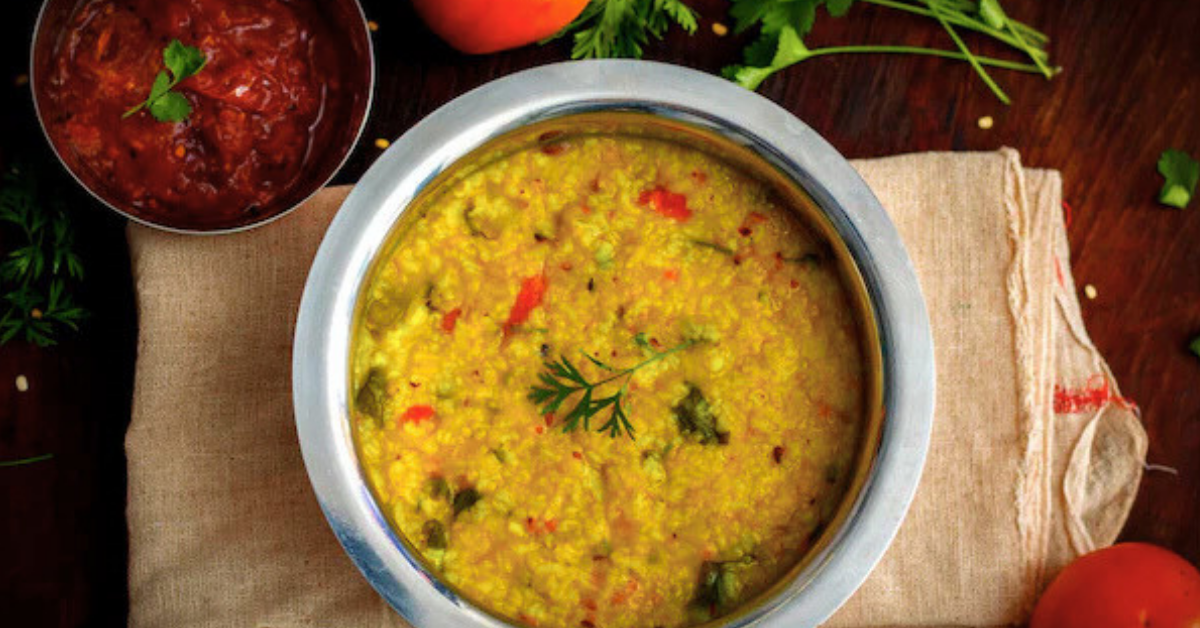
Khichdi may look like the simplest comfort food in Indian kitchens, but cooking it perfectly is trickier than it seems. I used to struggle every time—what was supposed to be a light, fluffy dish often ended up as a sticky, mushy mess. After experimenting (and ruining a few pots along the way), I finally figured out the mistakes I was making and the small tweaks that made all the difference.
1. Using Too Much Water
My first mistake was thinking khichdi needed extra water to become soft. The truth is, different dals and rice absorb water differently. I now use a 1:2.5 ratio of rice-dal to water for a fluffy texture, adjusting slightly if I want it softer.
2. Not Washing Rice and Dal Properly
Skipping this step made the starch build up, giving my khichdi a glue-like consistency. A good rinse until the water runs clear removes excess starch and prevents clumping.
3. Cooking on High Heat Throughout
I used to boil everything on full flame, which broke down the grains too quickly. The fix? Start on medium-high to bring it to a boil, then simmer on low to let rice and dal cook gently without turning mushy.
4. Adding Too Much Pressure
Three to four whistles in a pressure cooker are enough, but I often left it for longer “just to be safe.” That overcooked both rice and dal. Now, I stick to 2 whistles for fluffy khichdi and allow natural steam release.
5. Skipping the Tempering (Tadka) Step
Directly boiling rice and dal without a proper tadka made the dish bland and encouraged me to overcook in an attempt to add flavor. Now, I sauté cumin, ginger, and spices in ghee before adding rice and dal—this adds flavor and helps balance texture.
6. Adding Vegetables at the Wrong Time
I used to throw in veggies too early, which overcooked them and added water, making the khichdi soggy. Now, I add harder veggies (like carrots) early and soft ones (like peas) at the end.
Perfect khichdi is all about balance—right water ratio, careful heat control, and timing. With these fixes, I now enjoy a wholesome bowl that is light, aromatic, and never mushy.