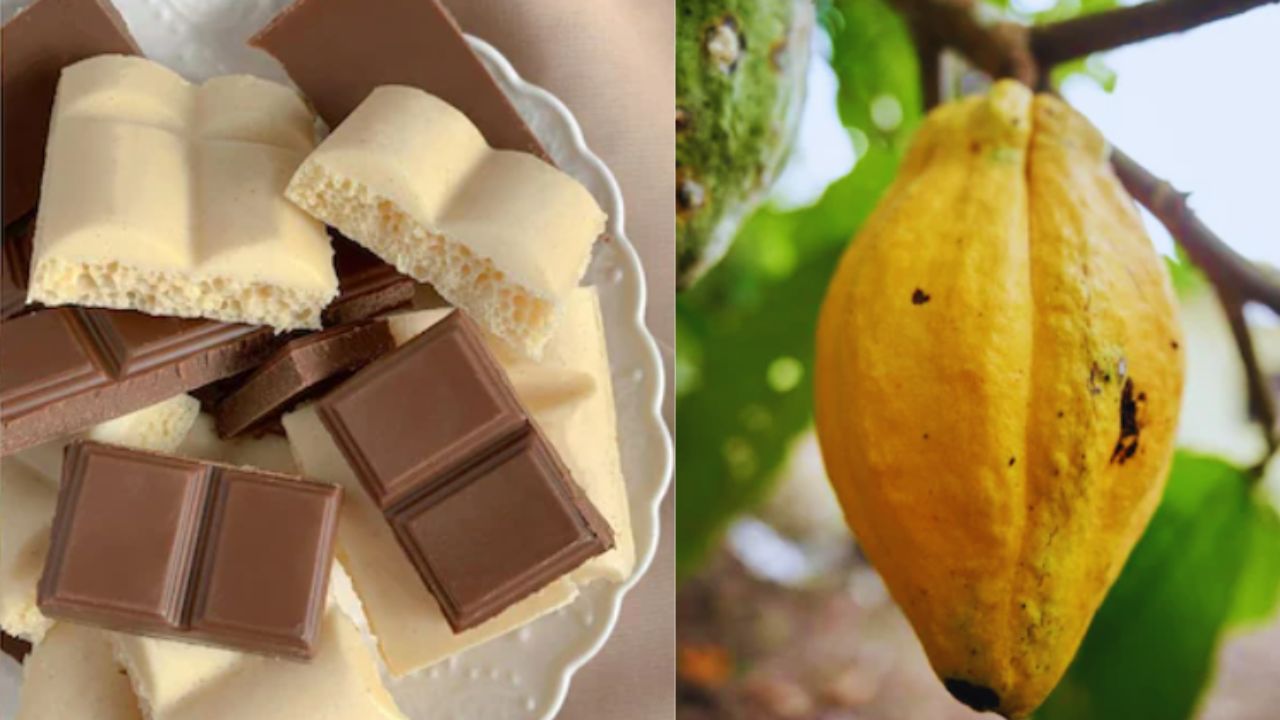
For most of us, chocolate is simply a sweet delight wrapped in foil, ready to melt in our mouths. But behind every silky bar lies a fascinating journey that begins with a humble fruit pod. In India, the art of chocolate-making is growing rapidly, with both large brands and artisanal chocolatiers paying close attention to quality, sustainability, and unique flavours. So how exactly does cacao transform into the chocolate we love? Let’s take a step-by-step look at its journey from tree to bar in the Indian context.
1. Cultivating the Cacao Tree
Chocolate begins with the Theobroma cacao tree, which literally translates to “food of the gods.” In India, cacao is primarily grown in states like Kerala, Karnataka, Andhra Pradesh, and Tamil Nadu due to their humid, tropical climate. Farmers carefully nurture these trees, which produce brightly coloured pods containing cacao beans surrounded by sweet pulp.
2. Harvesting the Pods
Once ripe, usually after five to six months, the pods are hand-harvested using knives or sickles. Timing is critical, as immature pods yield bitter beans while overripe ones affect quality. Each pod contains about 30–40 cacao beans, the foundation of all chocolate.
3. Fermentation – Unlocking the Flavour
This is perhaps the most crucial stage in chocolate-making. The beans, still covered in sticky pulp, are placed in wooden boxes or covered with banana leaves to ferment for around five to seven days. Fermentation allows natural yeasts and bacteria to break down sugars, reducing bitterness and developing the rich, complex flavours that define chocolate. In India, small farmers often carry out fermentation in community facilities to ensure consistency.
4. Drying Under the Sun
Post-fermentation, the beans are spread out on mats or drying beds under the sun for another five to seven days. Proper drying prevents mould growth and locks in the desired flavours. In regions like Kerala, farmers often turn the beans several times a day to ensure even drying, a practice passed down through generations.
5. Roasting the Beans
Once dried, the beans are transported to chocolate makers. The first major step at the factory or artisanal unit is roasting. Roasting temperature and time vary depending on the desired flavour profile—lighter roasts highlight fruity notes, while darker roasts bring out earthy, nutty undertones. This step also makes it easier to separate the outer shells from the nibs.
6. Winnowing – Separating the Nibs
After roasting, the beans are cracked, and their brittle shells are removed in a process called winnowing. What remains are cacao nibs—the pure, edible essence of chocolate. Nibs are incredibly nutritious, rich in antioxidants, and are sometimes sold as a health food on their own.
7. Grinding and Refining
The nibs are ground into a thick, oily paste known as cocoa liquor (though it contains no alcohol). This paste can be further processed into cocoa butter (the fat) and cocoa solids (the flavour). In Indian craft chocolate-making, many brands retain the full cocoa liquor to create “bean-to-bar” chocolates with minimal additives. Refining machines then reduce the particle size, giving chocolate its smooth texture.
8. Conching – The Texture Magic
In this stage, the chocolate mixture is continuously mixed and aerated for hours, sometimes even days. Conching improves texture, reduces bitterness, and balances the flavour. This process was a turning point in chocolate history, allowing makers to achieve the silky, melt-in-the-mouth quality we now expect.
9. Tempering and Moulding
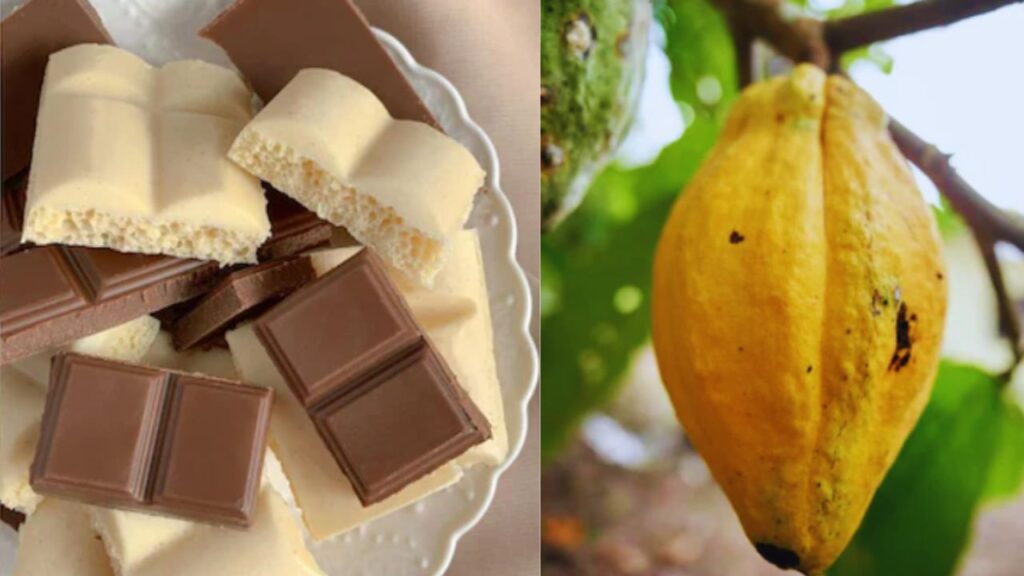
Tempering is the careful heating and cooling of chocolate to stabilize the cocoa butter crystals. This step ensures that the chocolate has a glossy finish and a satisfying snap when broken. Once tempered, the liquid chocolate is poured into moulds, cooled, and finally wrapped—ready to be enjoyed.
10. The Indian Chocolate Story
In India, chocolate-making has evolved from mass-market dairy chocolates to a thriving bean-to-bar movement. Brands like Mason & Co., Soklet, and Pascati source directly from farmers, ensuring fair trade and sustainable practices. The result is a growing culture of craft chocolate that highlights Indian terroir, with notes ranging from fruity and floral to nutty and earthy.
The next time you bite into a chocolate bar, remember it’s not just a sweet treat but the result of months of care, science, and artistry. From the cacao farms of South India to boutique chocolatiers experimenting with flavours, India’s chocolate journey is as rich and layered as the bars themselves.