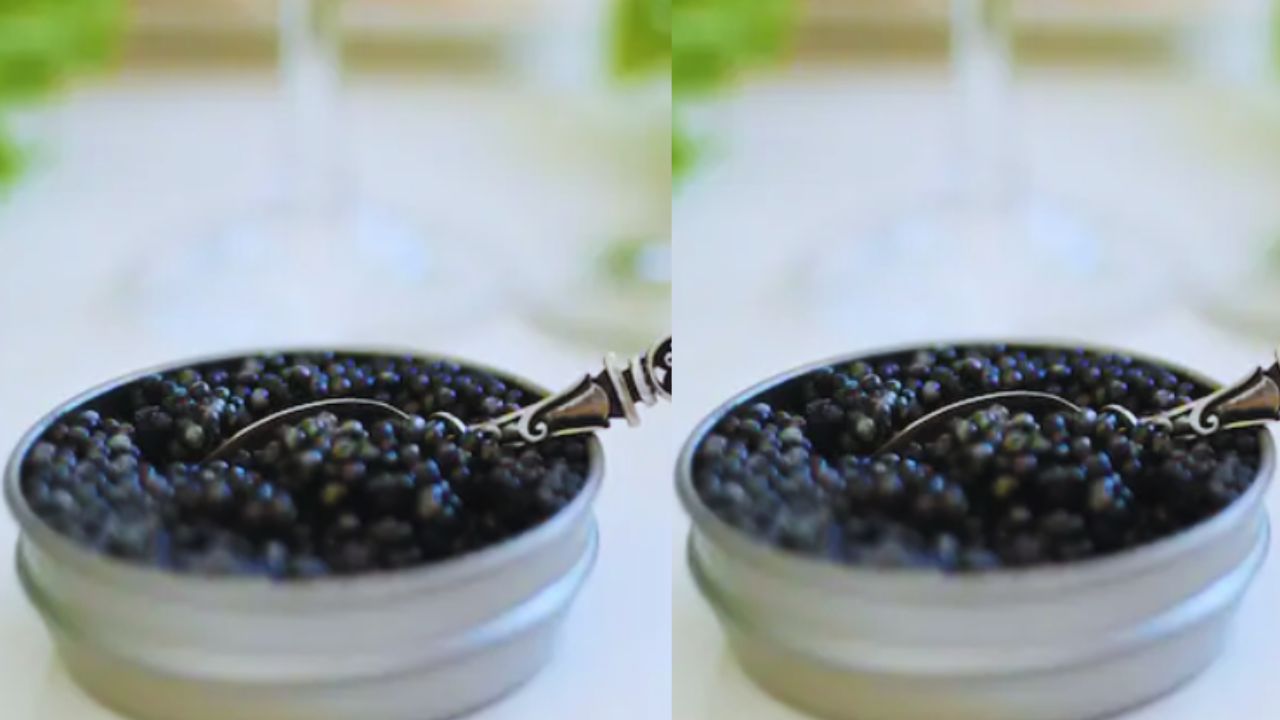
Caviar has long been associated with luxury, sophistication, and fine dining. But what exactly is caviar, and why does it hold such an elite status in global cuisine? More importantly, how should you taste, serve, and enjoy it properly to experience its true charm? Let’s break down everything you need to know about this delicacy.
What Is Caviar?
Caviar refers to the salt-cured roe (eggs) of sturgeon fish, traditionally harvested from species found in the Caspian and Black Seas. The most prized varieties come from sturgeon species such as Beluga, Ossetra, and Sevruga. Authentic caviar is delicate, pearl-like in texture, with a rich, buttery, and slightly briny flavor that distinguishes it from other types of fish roe.
It’s worth noting that not all fish eggs are caviar. Salmon roe, trout roe, or lumpfish roe are popular alternatives, but they don’t carry the same culinary prestige as true sturgeon caviar.
How to Taste Caviar Properly
Caviar is best appreciated when tasted with care. Here’s how connoisseurs recommend experiencing it:
- Use the Right Spoon:
Avoid metal spoons as they can alter the delicate flavor. Traditionally, caviar is eaten using spoons made of mother-of-pearl, bone, or glass. - Observe the Pearls:
Look at the eggs first—high-quality caviar should be glossy, firm, and distinct, not mushy. - Smell Before Tasting:
Fresh caviar should smell clean and slightly of the sea, without any strong fishy odor. - Roll on the Tongue:
Instead of chewing immediately, roll the pearls gently on your tongue. This allows the flavor to unfold slowly, revealing its buttery, nutty, or briny notes. - Small Servings, Big Flavor:
Caviar is served in small amounts (about half to one teaspoon). The focus is on savoring, not quantity.
How to Serve Caviar
Presentation plays a key role in the caviar experience.
- Keep It Chilled: Always serve caviar cold, ideally placed on a bed of crushed ice.
- Serve Simply: Caviar shines best when served with blinis (small pancakes) or lightly buttered toast points.
- Classic Pairings: Traditional accompaniments include crème fraîche, chopped onions, and boiled egg whites and yolks, though purists prefer caviar on its own.
- Drink Pairings: Caviar pairs beautifully with chilled vodka or a crisp glass of Champagne, both of which enhance its delicate flavors.
Tips to Enjoy Caviar Like a Connoisseur
- Don’t Overpower It: Avoid strong-flavored foods or seasonings with caviar; its taste should remain the star.
- Store Correctly: Keep unopened caviar tins in the coldest part of your refrigerator. Once opened, consume within 2–3 days.
- Experiment with Styles: While Beluga caviar is the rarest and most luxurious, Ossetra and Sevruga offer equally fascinating flavor profiles worth exploring.
Caviar is more than just food—it’s an experience. From the careful way it’s harvested to the delicate process of tasting and serving, every step is designed to highlight its rarity and refinement. Whether you’re trying it for the first time or looking to elevate your fine dining occasions, understanding how to taste, serve, and enjoy caviar properly ensures you capture the essence of this timeless delicacy.