
Food in Bengal is not just about taste—it’s a reflection of culture, tradition, and deep-rooted philosophy. While most cuisines across India focus on sweet, spicy, or savory beginnings, Bengali meals stand out with a curious practice: starting with something bitter. From neem leaves fried crisp to bitter gourd stir-fries, the first bite of a traditional Bengali thali often surprises outsiders. But behind this seemingly unusual custom lies a mix of science, tradition, and culinary wisdom.
The Tradition of “Shukto” and Bitter Beginnings
In Bengal, a meal is seen as a journey through flavours—beginning with the most challenging taste, bitterness, and gradually progressing to sour, spicy, and finally sweet. This structured pattern isn’t accidental; it reflects the Bengali philosophy of balance.
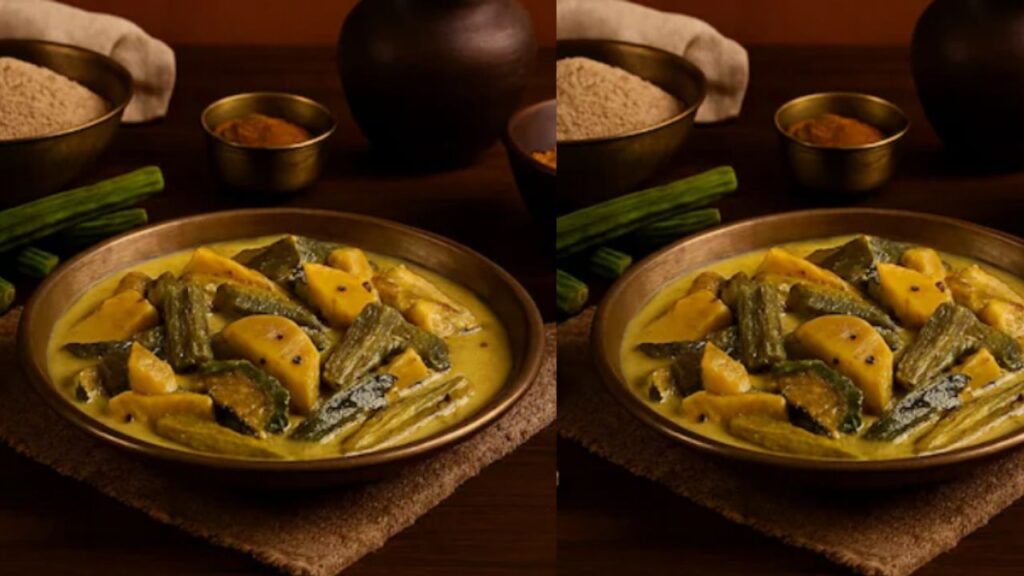
The most famous dish to kick off this sequence is “Shukto”, a medley of vegetables cooked with a touch of bitter gourd, neem leaves, or fenugreek seeds, sometimes enhanced with milk or mustard paste. Shukto is more than just a starter; it is a symbol of cleansing the palate and the body before indulging in richer foods that follow.
The Science Behind Bitter Foods
Bitter foods may not be the most loved, but they are powerful in promoting good health. Traditional Bengali households believe that bitters act as a detoxifier, cleansing the digestive system before heavier dishes like fish curry, mutton, or sweets are served.
From a nutritional standpoint, bitter foods:
- Stimulate appetite by triggering digestive enzymes.
- Help control blood sugar levels.
- Detoxify the liver and aid in digestion.
- Prevent overeating by curbing cravings.
By beginning a meal with something bitter, Bengalis are essentially preparing their bodies for the feast ahead.
A Cultural and Seasonal Practice
In Bengal, food traditions are often tied to the seasons. During summer, when the risk of stomach infections is high, starting meals with bitter neem or karela is believed to keep the system cool and disease-free.
For instance:
- Neem Begun (fried neem leaves with brinjal) is common in summer months, especially during festivals like Bengali New Year (Poila Boishakh).
- Uchhe Bhaja (crispy bitter gourd fritters) is a staple starter in countless homes.
- Shukto often features in special meals, particularly during festive occasions, symbolizing a wholesome beginning.
This seasonal adjustment shows how Bengalis seamlessly blend ayurvedic wisdom with culinary traditions.
The Philosophical Angle
For many, the practice also carries a deeper meaning. Life itself is a mixture of experiences—bitter, sour, spicy, and sweet. By starting with bitterness, a Bengali thali is thought to mirror the journey of life: beginning with hardships and gradually moving towards joy. Ending with sweets, especially the beloved mishti doi or roshogolla, is a symbolic reminder that sweetness always follows struggles.
Why This Tradition Still Thrives
Even in modern times, when fast food and fusion dining dominate, this tradition holds strong in Bengali households. While not every meal may begin with elaborate shukto, many still hold on to the idea of starting with something bitter. Restaurants serving authentic Bengali cuisine also honor this tradition, making it a unique culinary identity of Bengal.
The practice of starting a Bengali meal with bitter food may puzzle outsiders, but it beautifully blends health, culture, and philosophy. It is a reminder that food is more than fuel—it is a story, a ritual, and a lesson. In Bengal, that story begins with bitterness, setting the stage for the vibrant, spicy, and sweet chapters that follow.
So, the next time you sit down to enjoy a Bengali thali, don’t shy away from that first bitter bite—it’s not just food, it’s tradition, wellness, and wisdom on a plate.