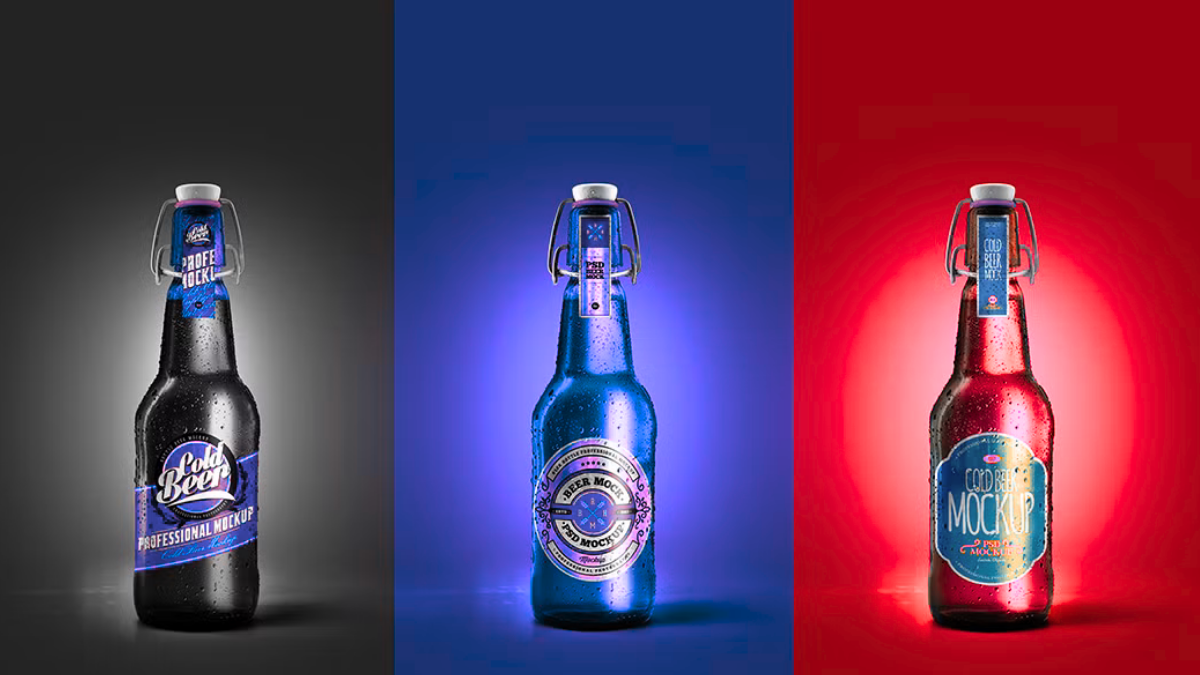
When you grab a beer, you’ll often notice the Beer Bottles is green or brown—but almost never crystal clear. While clear bottles are common for soft drinks or water, beer follows a different logic. This isn’t just a branding choice; there are scientific, cultural, and practical reasons behind it. Let’s dive into the five surprising explanations.
1. Protection Against Light Damage
Beer contains hops, which are sensitive to light. When exposed to sunlight or fluorescent light, hops undergo a chemical reaction that produces a skunky, unpleasant smell. Brown and green bottles act like sunglasses for beer, blocking harmful UV rays and preserving the flavor. Clear bottles, on the other hand, let too much light in, making the beer spoil faster.
2. Preserving Freshness and Shelf Life
The darker the bottle, the longer the beer stays fresh. Brown bottles, in particular, provide the best protection against light-induced staling, giving beer a longer shelf life. Breweries prefer this because it ensures their product tastes consistent whether bought immediately or weeks later.
3. A Nod to Tradition and History
Historically, glassmaking technology wasn’t as advanced, and most bottles came in darker shades due to impurities in the glass. This tradition stuck, and over time, consumers began associating green or brown bottles with premium, authentic beer. Clear bottles, in contrast, were seen as less protective and more commercial.
4. Branding and Market Perception
Colors play a huge role in branding. Brown bottles are seen as classic and reliable, while green bottles often signal a premium, imported beer. Clear bottles are usually reserved for lighter, flavored beers or casual drinking. The choice of bottle color often shapes how drinkers perceive the quality of the brew.
5. Cost and Sustainability Factors
Producing colored glass, especially brown, is cheaper and more eco-friendly because it often uses recycled materials. Since brown bottles are widely recycled, they contribute to sustainability while cutting costs for breweries. Clear glass requires more processing, which isn’t as economical for mass beer production.
Beer bottles aren’t clear for good reason—they’re protecting your drink, keeping it fresh, and preserving tradition while supporting sustainable practices. The next time you open a cold one, you’ll know the dark glass isn’t just for looks—it’s what keeps your beer tasting the way the brewer intended.