A Sweet Twist to Tradition
When it comes to food and drinks, Portugal is known for its rich culinary heritage. From custard-filled pastéis de nata to refreshing port wines, the country has countless delights. But there’s one tradition that is stealing the spotlight—a traditional Portuguese drink served in tiny chocolate cups, blending heritage with indulgence.
The Drink: Ginjinha, Portugal’s Cherry Elixir
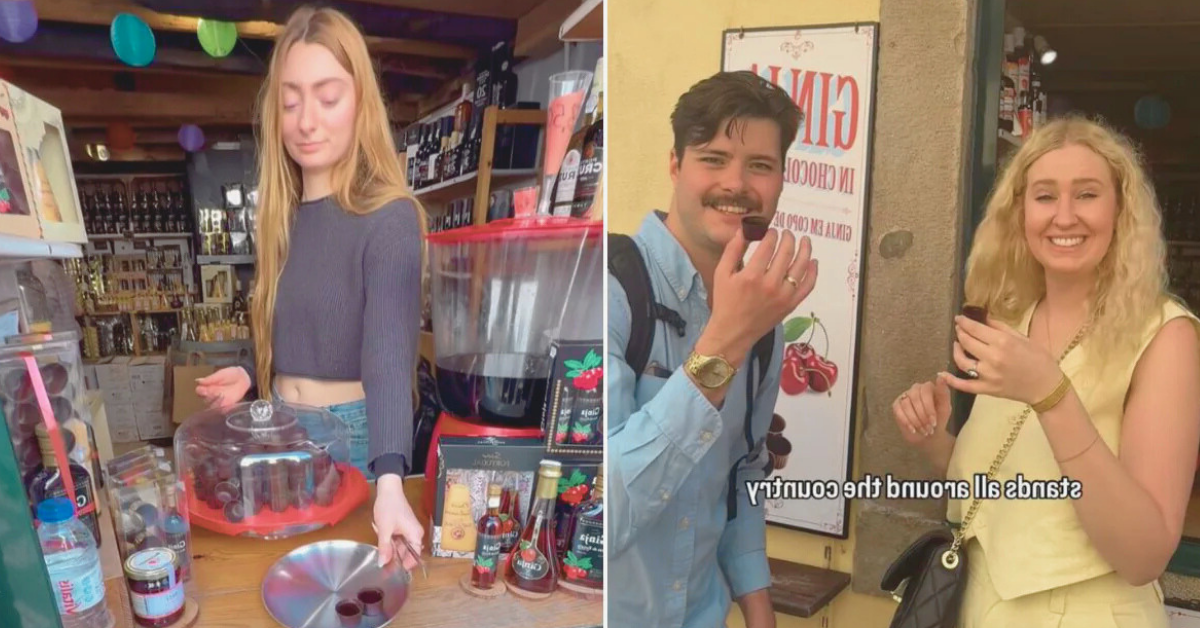
The star of this tradition is Ginjinha (or simply Ginja), a cherry liqueur made from sour Morello cherries, sugar, and alcohol. This sweet yet tangy drink has been enjoyed by locals for centuries, particularly in Lisbon and Óbidos. Traditionally served in small glasses, it has now found a modern, playful twist—edible chocolate cups.
Why Chocolate Cups?
The idea of pairing Ginjinha with chocolate isn’t just about novelty. The bitterness of dark chocolate perfectly balances the sweetness of the cherry liqueur, creating a flavor explosion in every sip. Once the drink is gone, you bite into the cup, enjoying the last notes of liqueur-soaked chocolate. It’s both a drink and a dessert rolled into one.
A Popular Tourist Experience
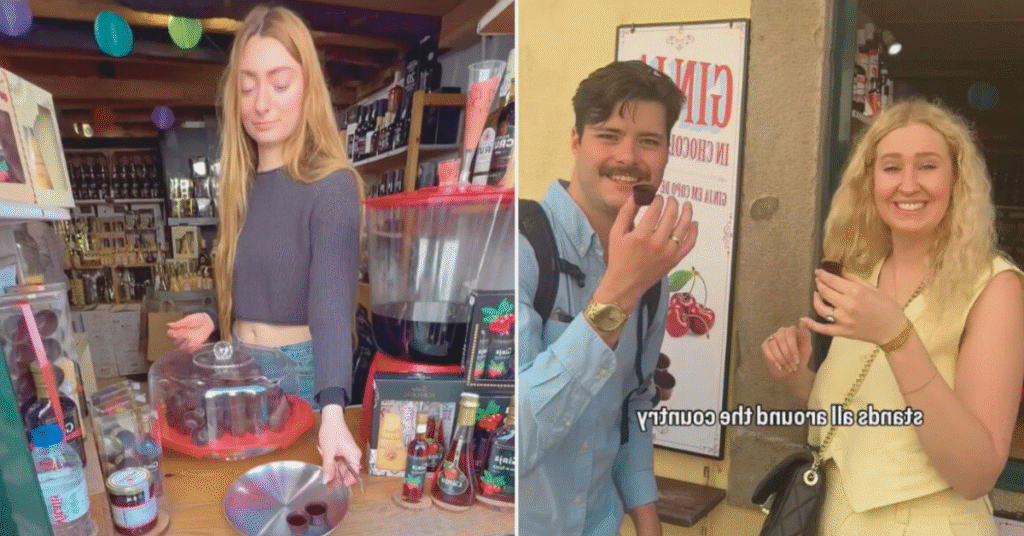
Bars and street vendors in Portuguese towns often serve Ginjinha this way, attracting both locals and curious tourists. The sight of visitors sipping from delicate chocolate cups before popping them into their mouths has become a must-try cultural experience. Many even call it the “sweetest souvenir” from Portugal.
Tradition Meets Modern Indulgence
What makes this practice even more special is how it blends old-world heritage with modern creativity. Ginjinha remains a deeply traditional drink, often linked to family recipes and age-old production methods. The chocolate cup, meanwhile, adds a playful, Instagram-worthy twist that appeals to today’s generation of travelers.
Portugal’s tradition of serving Ginjinha in chocolate cups proves that sometimes, the simplest ideas create the most memorable experiences. It’s more than just a drink—it’s a cultural ritual, a sweet treat, and a conversation starter. So, if you ever find yourself wandering the streets of Lisbon or Óbidos, don’t miss the chance to sip, savor, and bite into this unique Portuguese delight.