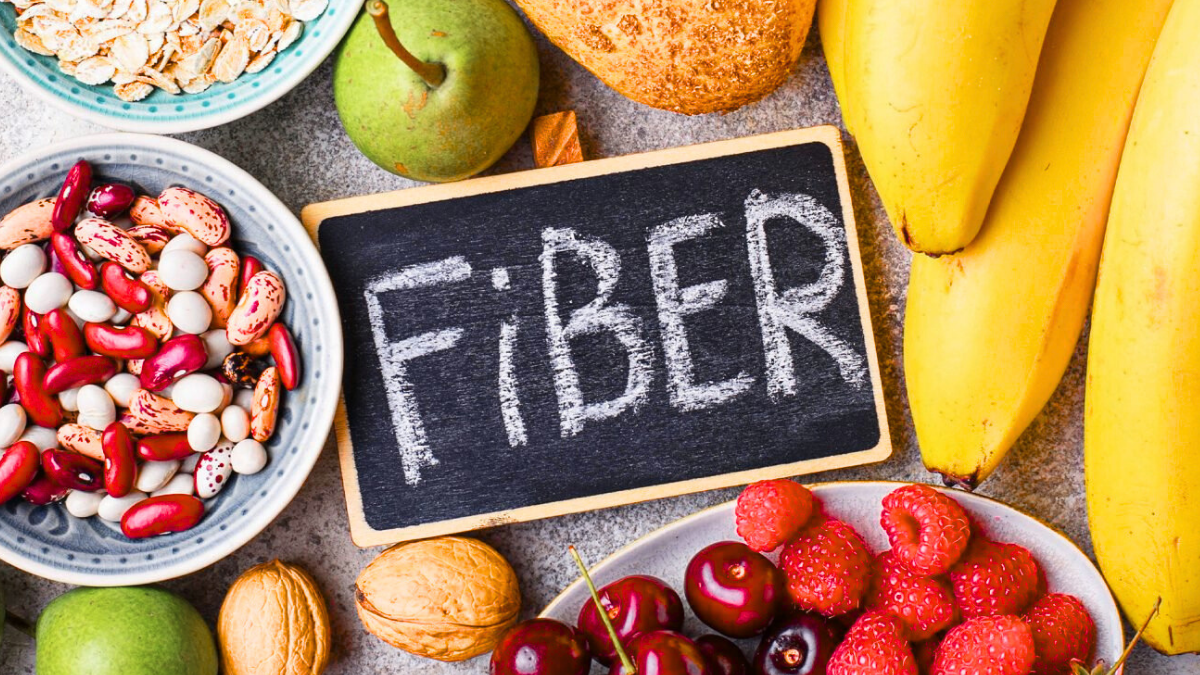
When it comes to healthy eating, fibre is often hailed as a magic nutrient. From weight loss to heart health, it’s credited with numerous benefits. But despite its importance, there are several myths and misconceptions about fibre that often leave people confused. With digestive health becoming a hot topic in 2025, let’s separate fact from fiction and find out which foods genuinely support your gut. (Fibre Myths)
Myth 1: All Fibre Works The Same Way
Truth: Fibre comes in two main forms — soluble and insoluble, and both play different roles in digestion.
- Soluble fibre (found in oats, beans, apples) dissolves in water and forms a gel-like substance, slowing digestion and improving nutrient absorption.
- Insoluble fibre (found in whole wheat, nuts, vegetables) adds bulk to stool and helps prevent constipation.
A healthy digestive system needs a balance of both, not just one type.
Myth 2: Fibre Supplements Can Replace Whole Foods
Truth: While supplements can help in some cases, they don’t provide the vitamins, minerals, antioxidants, and phytonutrients present in whole foods. Relying solely on powders or capsules may lead to an imbalance. For long-term gut health, fruits, vegetables, legumes, and whole grains are far more effective.
Myth 3: Fibre-Rich Foods Are Always Bland
Truth: From colourful salads and hearty dals to crunchy roasted chickpeas and millet rotis, high-fibre foods can be both nutritious and delicious. Many traditional Indian dishes like rajma-chawal, khichdi, and chana masala are naturally rich in fibre and flavour.
Foods That Actually Keep Digestion Healthy
- Oats & Barley – Rich in soluble fibre, they promote healthy gut bacteria.
- Legumes (Lentils, Beans, Chickpeas) – Excellent for bowel regularity and protein intake.
- Fruits like Apples, Guavas, and Berries – High in soluble fibre and antioxidants.
- Green Leafy Vegetables – Provide insoluble fibre that aids bowel movement.
- Nuts & Seeds (Flaxseeds, Chia, Almonds) – Boost fibre while supporting heart health.
- Whole Grains (Brown Rice, Millets, Quinoa) – Improve digestion and satiety.
How Much Fibre Do You Really Need?
Nutritionists recommend around 25–35 grams of fibre daily for adults. However, most people fall short of this number. The key is to include a variety of plant-based foods in every meal instead of depending on just one source.
Fibre is a digestive superhero, but not all the information surrounding it is accurate. Forget the myths — the real secret lies in building a balanced plate with whole grains, legumes, fruits, vegetables, nuts, and seeds. Not only will your digestion thank you, but your overall health will also see long-term benefits.