Superstition vs. Science
With the Lunar Eclipse of 2025 around the corner, conversations are once again filled with age-old beliefs, particularly surrounding food and health. For centuries, eclipses have been associated with superstitions in many cultures, and some of these have influenced everyday habits. But how much of it is true? Let’s uncover the most common myths.
Myth 1: Eating During an Eclipse is Harmful
One of the most widespread beliefs is that consuming food during a lunar eclipse can cause indigestion or health problems. However, modern science has repeatedly proven there is no biological link between an eclipse and digestion. Eating during an eclipse is completely safe.
Myth 2: Pregnant Women Should Avoid Food and Water
In several traditions, expectant mothers are advised to fast during an eclipse, fearing negative effects on the unborn child. Doctors strongly reject this claim, highlighting that such fasting can cause dehydration and nutritional deficiencies, which are far more harmful than the eclipse itself.
Myth 3: Food Gets Spoiled or Becomes Toxic
Many believe that cooked food turns poisonous during an eclipse if left uncovered. In reality, food spoilage depends on hygiene, storage, and temperature—not celestial events. Covering food is advisable, but only to protect it from dust or insects, not because of the eclipse.
Myth 4: Avoid Cooking During the Eclipse
Another common superstition is that cooking food during an eclipse spreads negative energy. There is no scientific reasoning behind this belief. In fact, cooking or eating is as safe as it is on any other day.
Myth 5: Eclipse Weakens the Immune System
Some claim that eclipses affect immunity, leaving people vulnerable to illness. Experts dismiss this as a myth, emphasizing that the human body does not react differently under an eclipse compared to normal lunar phases.
The Scientific Perspective
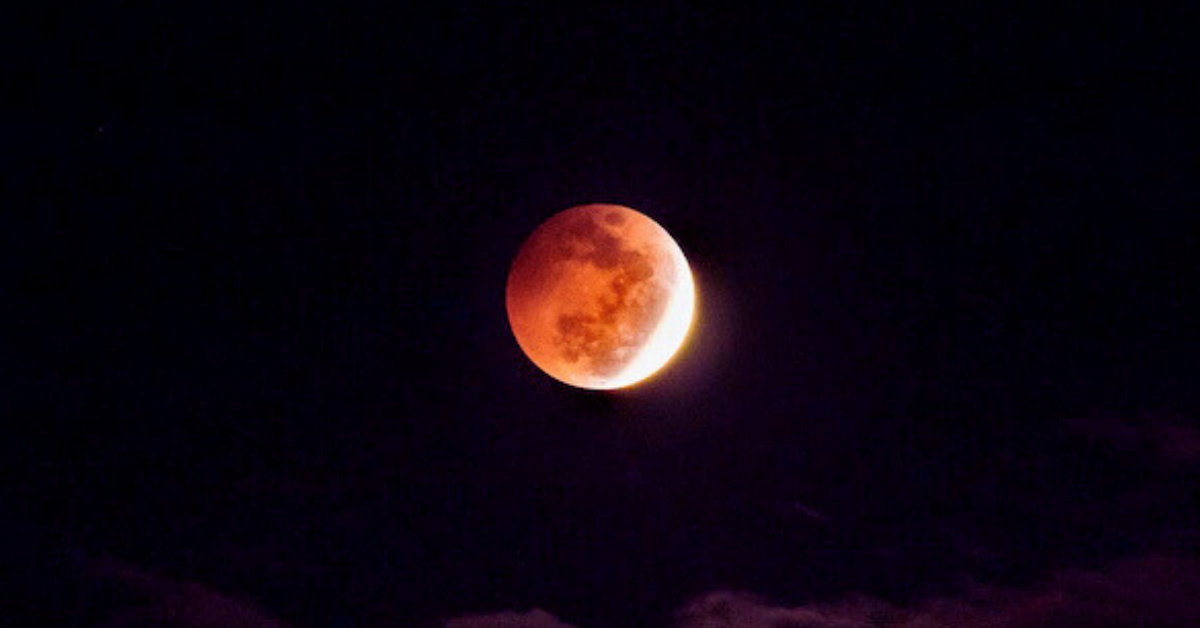
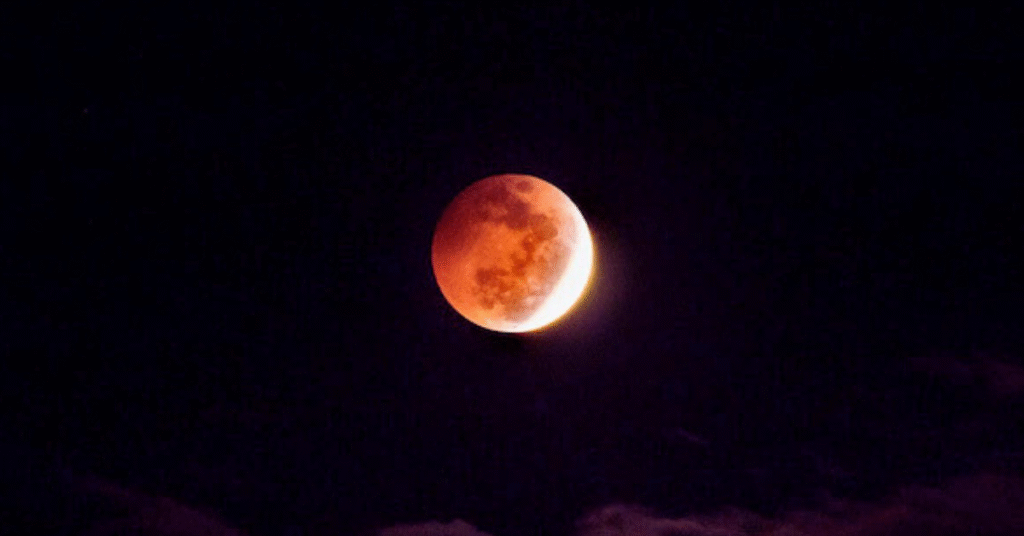
Astronomers explain that a lunar eclipse is simply the Earth casting its shadow on the Moon when all three celestial bodies align. It is a fascinating astronomical phenomenon—not a health hazard.
While traditions are part of cultural heritage, it’s important to separate myth from reality. The Lunar Eclipse 2025 is an opportunity to appreciate the beauty of the cosmos, not a reason to fear what’s on your plate.