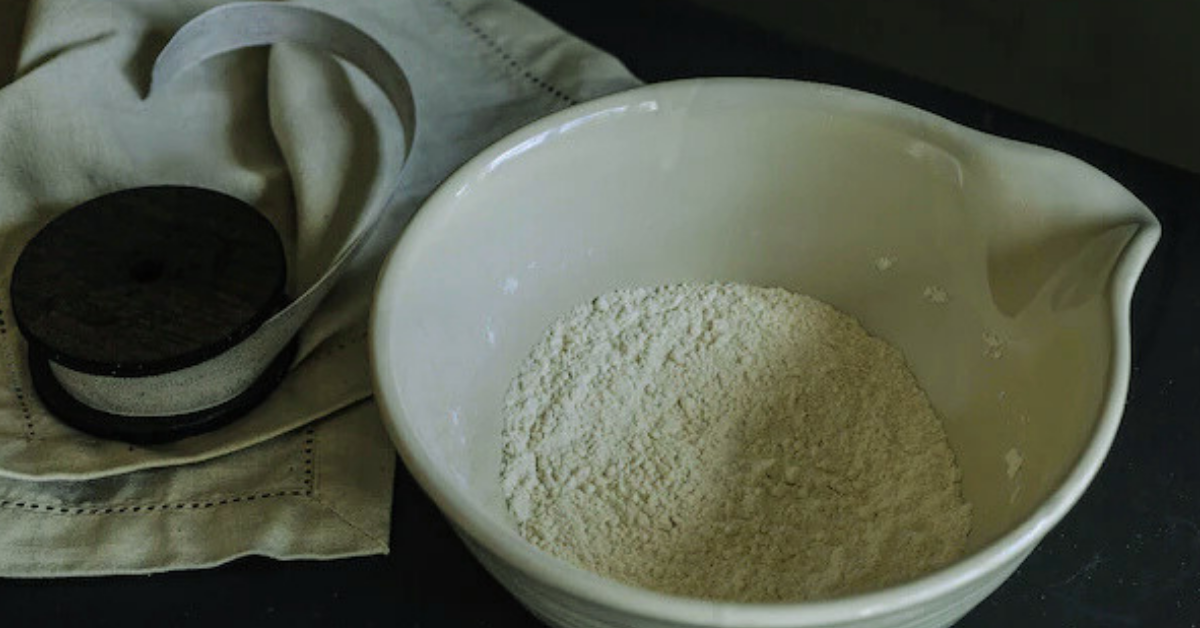
For years, maida (refined flour) has been labeled as the “villain” in our kitchens. From being called nutritionally empty to claims of being harmful in every form, maida has been misunderstood. While overconsumption of anything isn’t healthy, many beliefs surrounding maida are simply myths. Let’s uncover the truth behind the most common misconceptions.
1. Myth: Maida Contains No Nutrients
Reality: Maida is not completely devoid of nutrients. While it is refined and has lower fiber compared to whole wheat, it still contains carbohydrates, proteins, and small amounts of vitamins. Many packaged maida products are also fortified with iron and folic acid.
2. Myth: Maida Is the Same as Plastic
Reality: This bizarre myth often circulates on social media. Maida is made by finely milling wheat after removing the bran and germ. It is not synthetic and has nothing to do with plastic. Such claims are exaggerated and misleading.
3. Myth: Eating Maida Instantly Leads to Weight Gain
Reality: Weight gain is not caused by a single ingredient but by calorie imbalance. Maida-based foods like pizzas, cakes, and fried snacks are calorie-dense because of added fats and sugars. Consuming them in moderation will not automatically cause obesity.
4. Myth: Maida Is Banned in Other Countries
Reality: Contrary to popular belief, maida is not banned anywhere. It is widely used across the globe under names like “all-purpose flour.” From pastries in France to pasta in Italy, refined flour is a staple in international cuisines.
5. Myth: Maida Causes Instant Diabetes
Reality: Maida has a high glycemic index, which means it raises blood sugar faster than whole grains. However, occasional consumption does not directly cause diabetes. The risk comes from long-term overconsumption and sedentary lifestyle, not from maida alone.
While maida is not as nutrient-rich as whole grains, demonizing it completely is unfair. The key lies in moderation and balance. Choosing healthier cooking methods and pairing maida-based dishes with vegetables or proteins can make them part of a well-rounded diet.