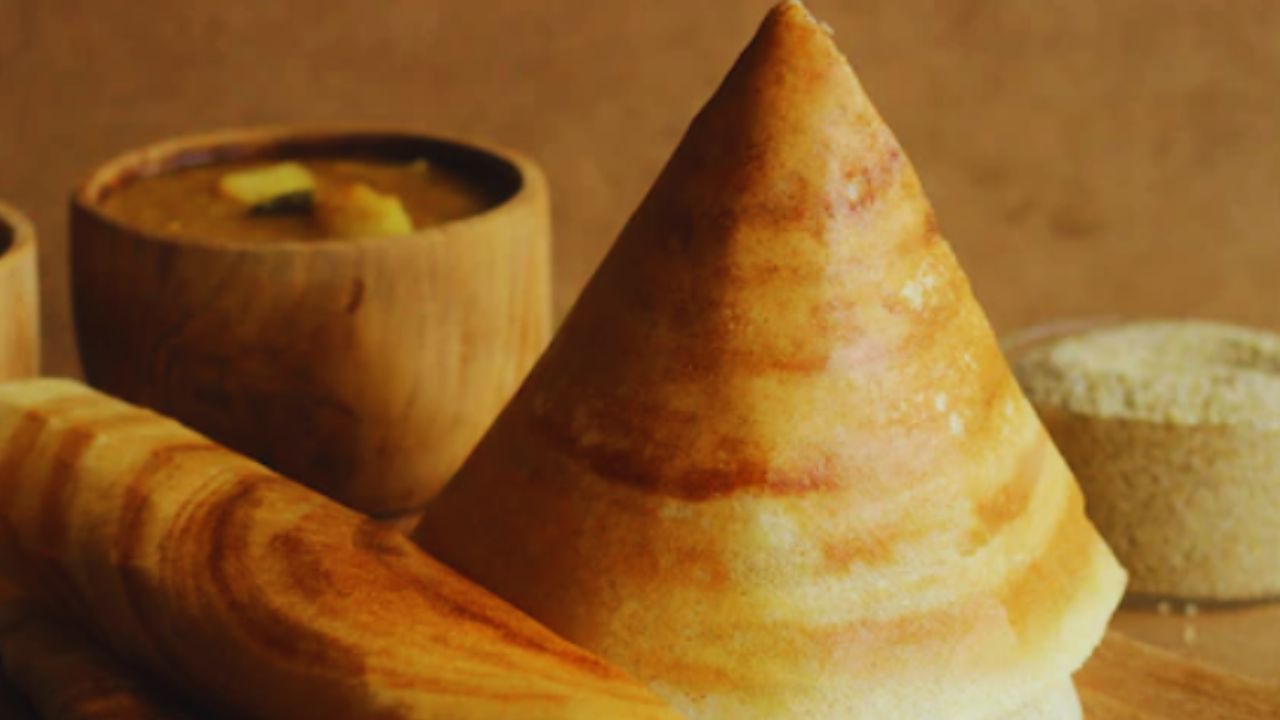
Dosa, the iconic South Indian dish, is loved across the world for its paper-thin crispiness and irresistible flavor. Traditionally, dosa is cooked on a cast iron pan (tawa), which retains heat and ensures even cooking. But what if you don’t own one? The good news is you can still make crispy, golden dosas at home using alternative pans and a few clever techniques. Here’s how you can achieve restaurant-style dosas without a cast iron pan.
1. Choose The Right Pan
The first step is picking the correct substitute for a cast iron tawa. Some great alternatives include:
- Non-stick pan: Ensures the batter doesn’t stick and requires less oil. Perfect for beginners.
- Stainless steel pan: Needs proper preheating but can deliver surprisingly crispy results.
- Granite/ceramic-coated pan: These pans distribute heat evenly, making them excellent for thin dosas.
Tip: Avoid deep woks or concave pans, as dosas need a flat surface to spread properly.
2. Preheat Correctly
One of the secrets to crispy dosas is heat control. Non-cast iron pans heat differently, so you’ll need to adjust:
- Heat the pan on medium flame for 2–3 minutes before pouring batter.
- Test by sprinkling a few drops of water; if they sizzle and evaporate quickly, the pan is ready.
- If the pan is too hot, the batter will clump. If too cold, it will stick. Maintaining a medium-high temperature is key.
3. Spread The Batter Properly
Getting the spread right makes a big difference in crispiness:
- Pour a ladle of batter in the center of the pan.
- Use the back of the ladle to spread the batter outward in a circular motion, keeping it thin.
- Thinner dosas crisp up better than thick ones.
4. Use The Right Amount of Oil or Ghee
Even if you’re not using cast iron, oil (or ghee) is essential:
- Drizzle a few drops around the edges and on top of the dosa after spreading.
- Oil helps release the dosa from the pan and adds crispiness.
- For a rich flavor, use ghee instead of oil.
5. Try The Onion Trick
For stainless steel pans where batter tends to stick:
- Cut an onion in half and rub the flat side across the surface of the heated pan before pouring batter.
- This creates a natural non-stick layer and helps dosas come out cleanly.
6. Be Patient and Let It Cook
Unlike cast iron, alternative pans may take slightly longer to give that crisp finish. Allow the dosa to cook fully on one side before lifting. Look for:
- Edges turning golden brown.
- The surface turning dry and slightly lacy.
Carefully lift with a spatula and fold. No need to flip unless you like extra crunch.
7. Keep The Pan Temperature Consistent
After each dosa, wipe the pan with a damp cloth to cool it slightly before making the next one. This ensures the batter spreads evenly and prevents sticking.
Making crispy dosas without a cast iron pan is absolutely possible with a little technique and practice. A good-quality non-stick or stainless steel pan, correct preheating, proper spreading, and the right oiling method can deliver the same golden, crunchy texture that makes dosas irresistible.
So the next time you crave a dosa and don’t have a cast iron tawa, don’t worry — try these hacks and enjoy a restaurant-style crispy dosa right in your kitchen.